 220V | 50Hz Product Catalogue
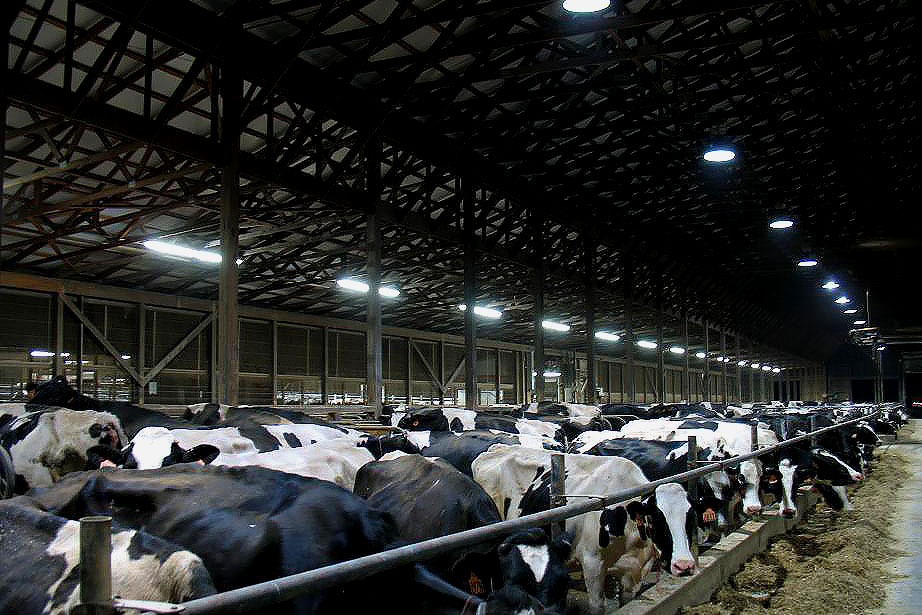
Dairy Cattle Farming Lighting Expertise for Increased Performance
- Positive impact on productive behaviors
- Improved animal vision and overall well-being
- Enhanced milk yield through reduced melatonin secretion
- Lower energy consumption, leading to reduced operating costs
You Might Also Like These Articles
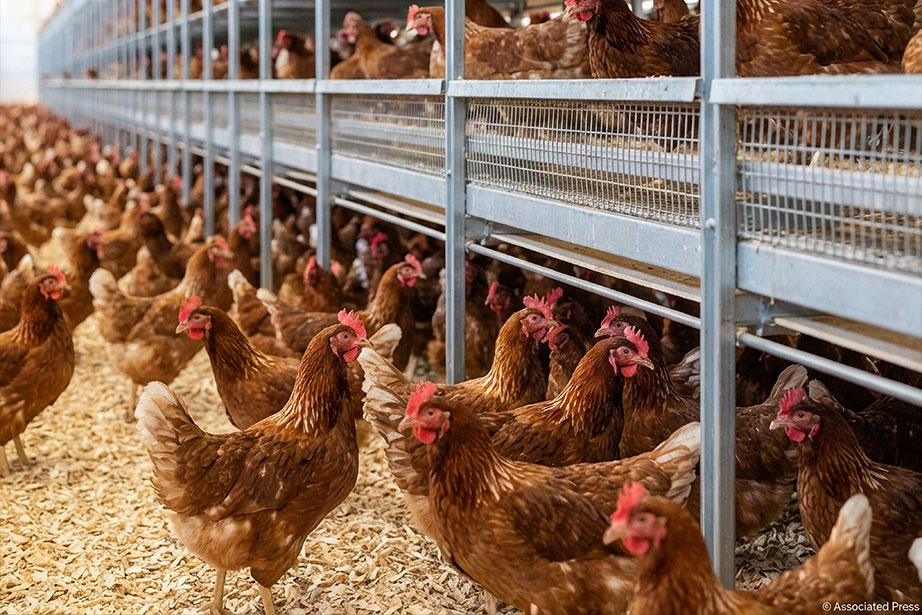
Understanding Layer Poultry Lighting
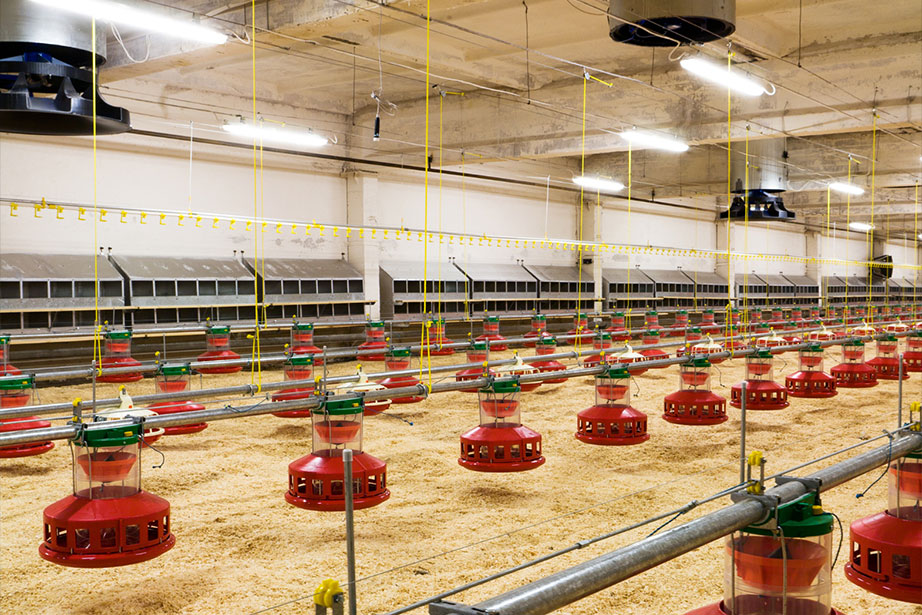
Optimal lighting for Broiler Chickens
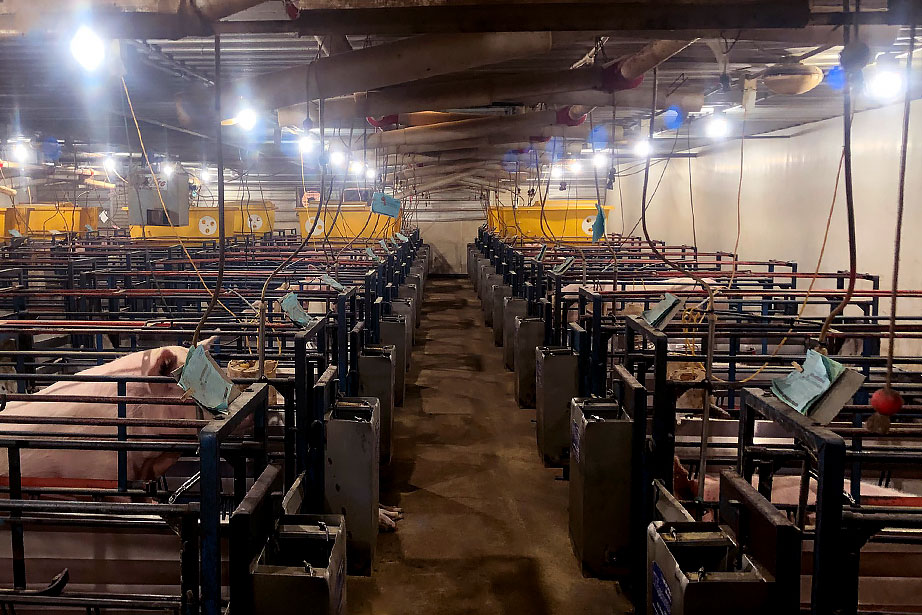
Pig Farm Lighting Expertise for Better Productivity
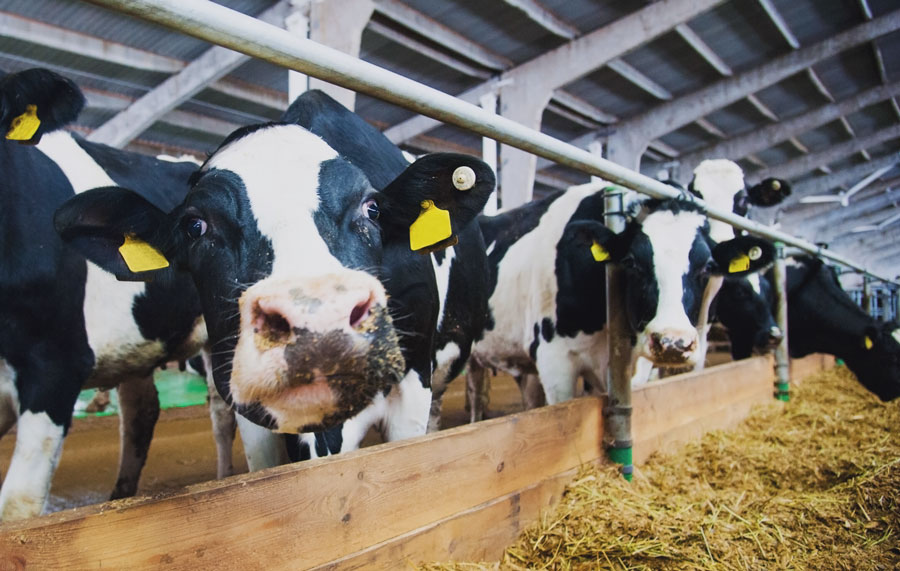
Requirements for Dairy Farm Lighting
Lighting strategies that support herd performance
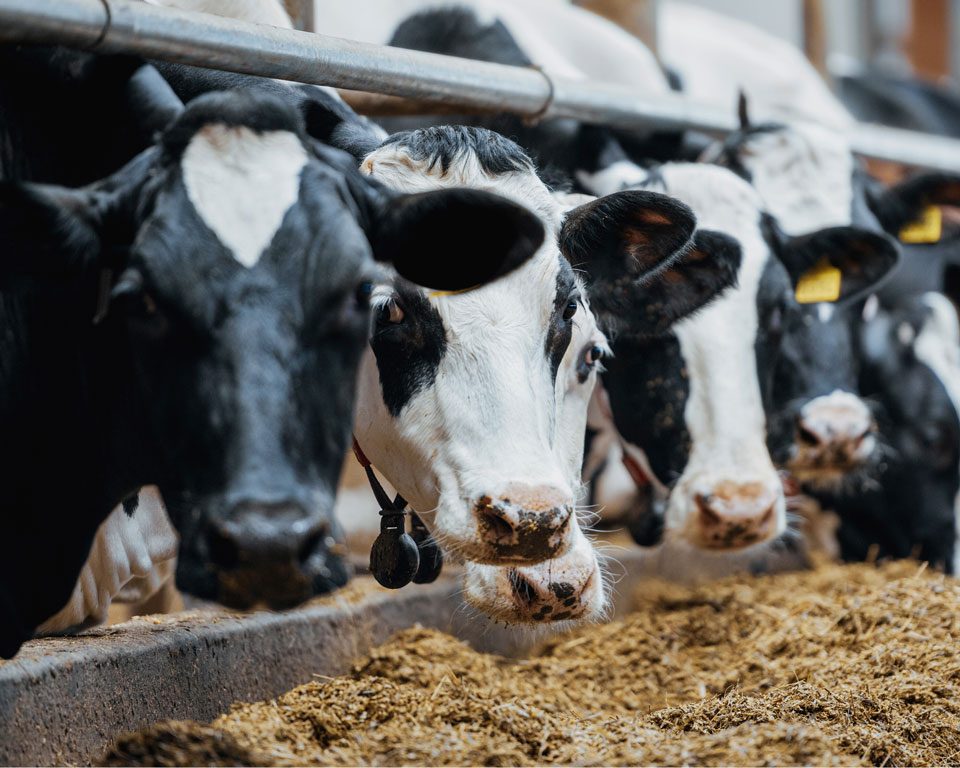
In a modern dairy operation, lighting is much more than a visibility tool. When properly designed, it contributes to animal welfare, improves working conditions, and supports overall herd performance.
Numerous studies have demonstrated that lighting directly influences the behaviour of dairy cows. When properly planned, lighting is one of the simplest management tools available to support dairy farm productivity. An appropriate photoperiod can encourage feed intake, stimulate herd activity, and contribute to improved milk production by helping regulate the animals’ natural biological rhythms.
A uniformly lit environment and a lighting programme tailored to the physiological needs of dairy cows help reduce sources of stress, promote natural movement, and support herd productivity.
The effectiveness of a lighting programme depends on several complementary factors, including photoperiod, light intensity, light uniformity, and the selection of the appropriate light spectrum. Together, these elements help create an environment that supports both animal welfare and farm performance.
Key Elements of a Successful Dairy Cattle Lighting Program
Photoperiod
Photoperiod is one of the most influential factors in a lighting programme for dairy cows. When properly managed, it contributes to animal comfort and overall herd performance.
For lactating cows, a cycle of 16 to 18 hours of light followed by 6 to 8 hours of darkness is generally recommended. This lighting duration promotes feed intake, stimulates herd activity, and is associated with increased milk production when lighting recommendations are properly implemented.
At night, cows require a sufficient rest period to maintain their natural biological rhythms. A dark environment promotes the production of melatonin, a hormone that plays an important role in regulating these cycles.
Light Intensity
For lactating cows, a lighting level between 150 and 200 lux at the animals’ eye level is generally recommended. This intensity range is recognised as supporting photoperiod programmes designed to optimise milk production.
Adequate lighting stimulates herd activity and feed consumption while making daily tasks and animal monitoring safer and more efficient.
In milking parlours and certain work areas, higher light levels may be required to facilitate operations, animal inspection, and routine management tasks.
Uniform Light Distribution
Dairy cows are more comfortable in an environment where lighting remains consistent and uniform. Conversely, shadows and strong contrasts can create hesitation during movement and become sources of stress.
Uniform light distribution promotes animal comfort, facilitates movement throughout the building, and improves working conditions within the barn.
To achieve the best results, the objective is not necessarily to install more luminaires, but rather to ensure that light is distributed evenly throughout the animals’ main living areas.
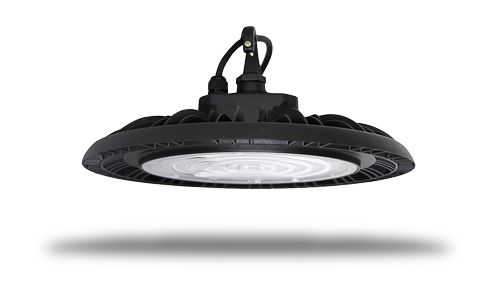
Sunrise/Sunset Simulation
Some lighting systems allow the light intensity to increase and decrease gradually, creating a more natural transition between periods of light and darkness.
While this feature is not essential for implementing an effective dairy lighting programme, it can help create a more natural environment and reduce sudden changes in light levels for both animals and workers.
Light Spectrum & Colour Temperature
Dairy cows respond positively to a lighting programme that combines 5000 K white light during periods of activity with red light during periods of darkness. This combination is currently the preferred solution recommended by CBM for modern dairy facilities, as it supports both the animals’ biological rhythms and the production objectives of the farm.
The 5000 K spectrum is particularly well suited to periods of activity in dairy cows. When used as part of an appropriate photoperiod programme, it provides excellent visibility for both animals and farm operators while supporting the desired behaviours within a dairy environment.
Red light, meanwhile, allows inspections, maintenance work, and night-time interventions to be carried out without significantly disrupting the animals’ resting period. It is an excellent complement to the long-day lighting programmes commonly used in dairy production.
Lighting Designed to Support Herd Performance
Today, lighting is recognised as a management tool that directly contributes to herd health, operational efficiency, and overall farm productivity.
By combining an appropriate photoperiod, suitable light intensity, uniform light distribution, and the correct light spectra, producers can create an environment that supports animal comfort and overall farm performance.
Every facility has its own unique characteristics. Ceiling height, building layout, installed equipment, and production objectives all influence lighting requirements. A proper lighting assessment ensures the right amount of light is delivered in the right location and at the right time.
At CBM, we support producers and distributors in designing lighting solutions tailored to the realities of modern dairy barns, helping maximise animal comfort, work efficiency, and herd performance.
High Quality
Led Products Designed for your Needs
Products engineered for
performance and built to last.

Stardim Technology
Dimmable from 0.2% to 100%
Sunrise and sunset simulation

Anti-flicker
Non-visible flicker < 4%

Consistent quality
Uniform light distribution
Manufactured with high quality components

Energy efficient
Long-lasting products
Energy efficient LED products
No gas, UV emissions or heat release

Adaptable
Multiple sizes available
Custom design on demand

Resistant
Highly resistant products to impact
Water, corrosion and steam resistant
Washable with pressure up to 103 Bar & 93°C with steam IP67 water and IK08 impact resistance
Learn More about Animal Lighting
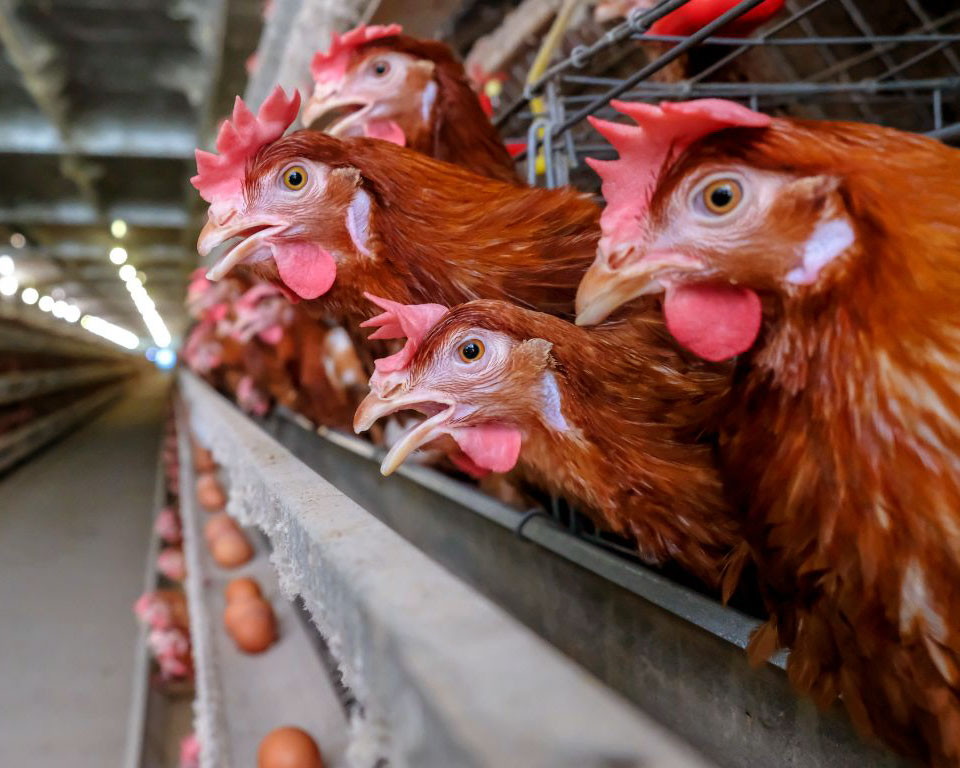
Understanding Layer Poultry Lighting
A well-designed layer chicken lighting program using appropriate lighting solutions can positively impact production by...
Lighting for Broiler Chickens
Achieving specific light requirements for broiler chickens can positively impact production by...
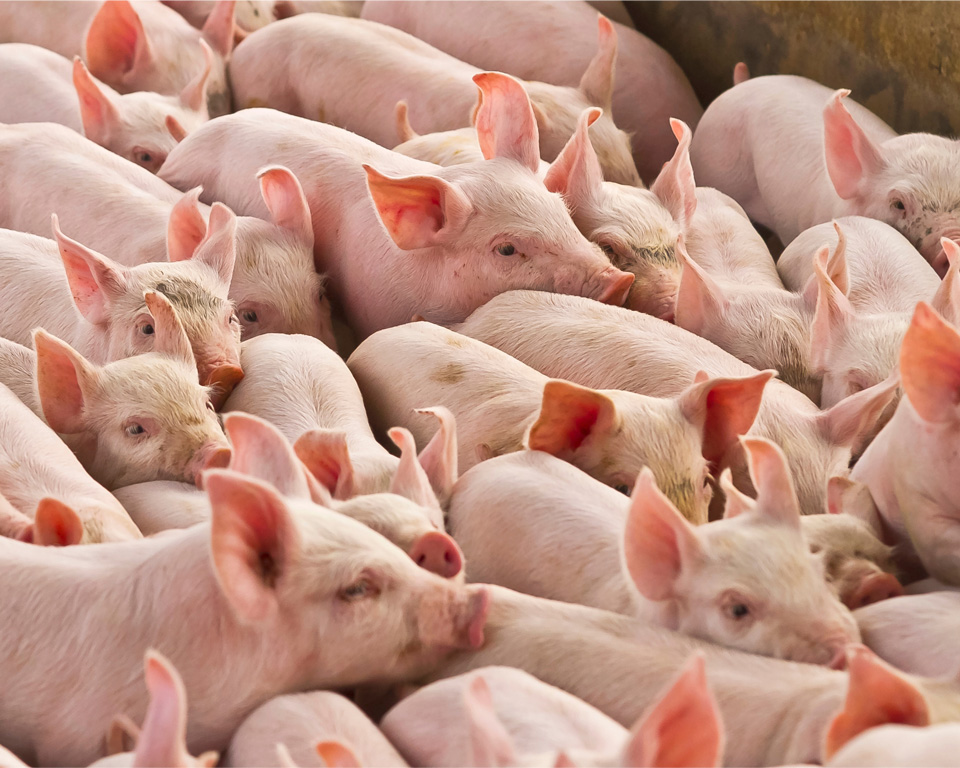
Pig Farm Lighting Expertise for Better Productivity
The benefits of appropriate lighting in a pig farming production...
Dairy Cattle Farming Lighting Expertise for Increased Performance
The benefits of appropriate lighting in a Dairy cattle farming production...